Setting up a double-ring infiltrometer on a residential lot near the Thames River in Chatham-Kent, we first drive both rings into the topsoil with a steel ring driver to ensure a tight seal against side-wall leakage. The inner ring, typically 30 cm in diameter, is kept at a constant head of about 10 cm using a Mariotte bottle, while the outer ring buffers lateral flow. We record the drop in water level every minute for the first ten minutes, then at increasing intervals until steady-state flow is reached. For clayey till soils common in the Chatham-Kent area, this often takes 90 to 120 minutes; sandy deposits along the Lake Erie shoreline can reach equilibrium in under 30 minutes. Before the test we always run a calicatas exploratorias to verify stratigraphy and identify any restrictive layers at depth.
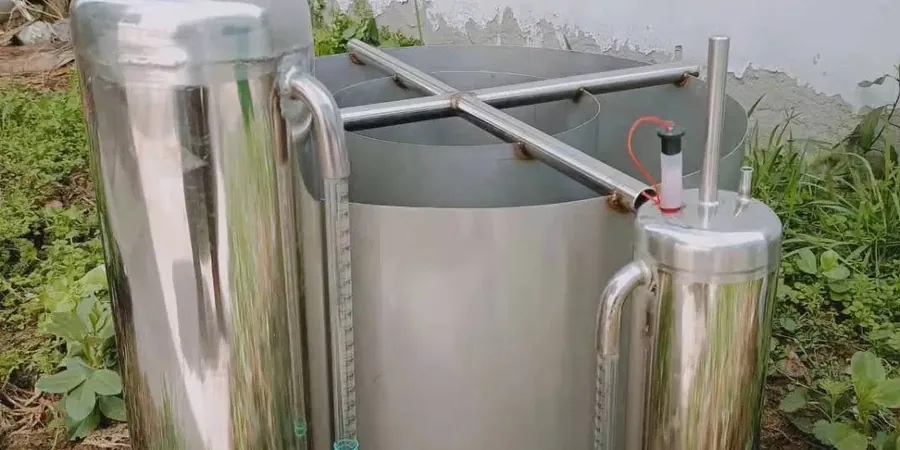
Steady-state infiltration rates in Chatham-Kent’s clay tills can be one to two orders of magnitude lower than in its glacial outwash deposits – a spread that makes site-specific testing non-negotiable.