Chatham-Kent grew fast after the 1850s railway boom, pushing construction onto the old lakebed clays of the Talbot plain. That clay left from glacial Lake Warren is thick and stiff when dry, but turns soft when wet. We have run factor of safety (FS) calculations on dozens of sites along the Thames River corridor, where the water table sits just a few feet down. Before we run numbers, we always check the soil profile with a test pit inspection to see if that hard crust is still intact. That first look tells us how much margin we actually have in the FS.
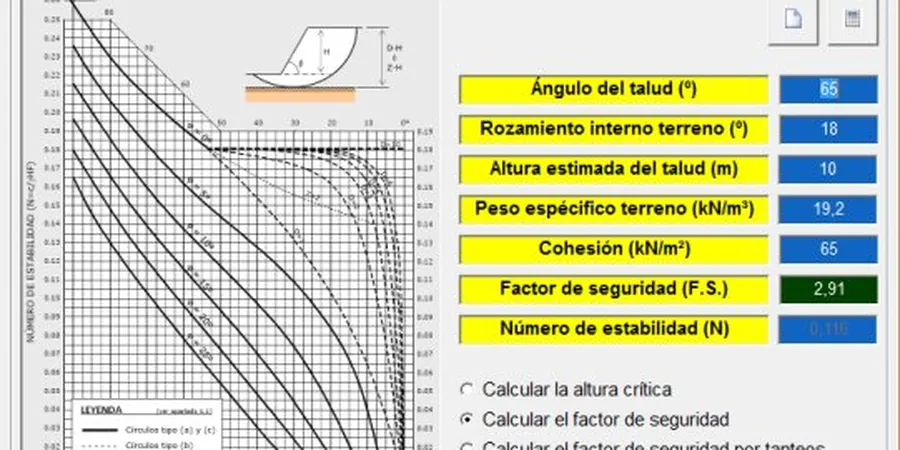
In Chatham-Kent clay, a dry-season FS of 2.0 can drop to 1.3 after three days of heavy rain. We design for the wet side.